 healthierlifehere
Related Articles

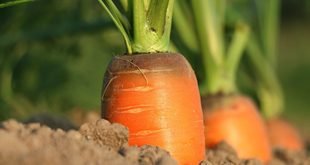

Fiber is an important part of a healthy diet, but many people do not get enough of it every day. Unlike protein, carbohydrates, and fats, fiber is not fully digested by the body. It moves through the digestive system and supports healthy digestion while also helping us feel full after meals.
The good thing is that adding more fiber to your diet does not have to be difficult. Many common foods are naturally rich in fiber and can easily become part of your breakfast, lunch, dinner, or snacks.
In this article, we will look at simple high fiber foods that you can add to your daily diet. These foods are easy to find, affordable, and useful for building a balanced eating routine.
What Is Dietary Fiber?
Dietary fiber is a type of carbohydrate found mainly in plant foods. Your body does not completely break it down during digestion. Instead, fiber passes through the digestive system and performs several useful functions.
There are two main types of dietary fiber called soluble fiber and insoluble fiber.
Soluble fiber absorbs water and forms a soft substance in the digestive tract. Foods such as oats, beans, apples, and some vegetables contain soluble fiber.
Insoluble fiber adds bulk to stool and helps food move through the digestive system. Whole grains, vegetables, nuts, and seeds are good sources.
Most high fiber foods contain a mixture of both types, so eating a variety of plant foods is a simple way to get different forms of fiber.
Why Is Fiber Important for Everyday Health?
Fiber is best known for supporting healthy digestion. A diet that contains enough fiber can help maintain regular bowel movements and may help prevent constipation.
High fiber foods can also help you feel satisfied after eating. This can make it easier to manage your overall food intake because you may feel full for longer.
Fiber is also part of a heart healthy eating pattern. Some types of fiber can help support healthy cholesterol levels when included as part of a balanced diet.
Another benefit is that fiber rich foods often contain other important nutrients. Fruits, vegetables, whole grains, beans, nuts, and seeds can provide vitamins, minerals, antioxidants, and other beneficial plant compounds.
1. Oatmeal
Oatmeal is one of the easiest high fiber foods to add to your daily routine. It works well as a simple breakfast and can be prepared in only a few minutes.
You can cook oats with milk or water and add fruit, nuts, or seeds for extra nutrition. Apples, bananas, berries, chia seeds, and walnuts can turn a plain bowl of oatmeal into a more satisfying meal.
Oats are especially useful because they contain soluble fiber. Starting your day with oatmeal can be an easy way to increase your daily fiber intake.
2. Apples
Apples are a convenient source of dietary fiber and make an easy snack. You can eat an apple at home, at work, or while traveling without much preparation.
The skin contains fiber, so washing the apple properly and eating it with the skin can provide more fiber than eating only the inside.
Try adding sliced apples to oatmeal, yogurt, or a simple fruit bowl. Choosing whole apples instead of apple juice also provides more fiber because the whole fruit contains its natural structure.
3. Pears
Pears are another simple high fiber fruit. They have a naturally sweet taste and can be enjoyed on their own or added to meals.
A pear can be a useful afternoon snack when you want something sweet but also want the benefits of whole fruit.
You can also slice pears into oatmeal, salads, or plain yogurt. Keeping the skin on after washing can help increase the fiber you get from the fruit.
4. Beans
Beans are among the most useful high fiber foods. Kidney beans, black beans, white beans, and other varieties can provide a good combination of fiber and plant based protein.
Beans are also very versatile. You can add them to soups, salads, rice dishes, or homemade meals.
If you do not normally eat many beans, start with a small serving and increase it gradually. This can make it easier for your digestive system to adjust to a higher fiber intake.
5. Lentils
Lentils are another excellent food for increasing fiber. They are affordable, easy to cook, and commonly used in many traditional meals.
You can prepare lentils as a simple curry, add them to soups, or combine them with vegetables and whole grains.
Lentils also provide plant based protein, making them a useful ingredient in balanced meals.
6. Chickpeas
Chickpeas are a simple way to add more fiber to your diet. They can be used in salads, soups, curries, and homemade spreads.
You can also roast cooked chickpeas with a small amount of seasoning to create a crunchy snack.
Adding chickpeas to lunch or dinner can make a meal more filling while increasing its fiber content.
7. Chia Seeds
Chia seeds are small, but they contain a significant amount of fiber. They are easy to add to everyday meals because they do not require much preparation.
You can mix chia seeds into oatmeal, yogurt, smoothies, or homemade puddings.
When increasing fiber with foods such as chia seeds, remember to drink enough fluids. Fiber works together with water in the digestive system, so hydration is an important part of a high fiber diet.
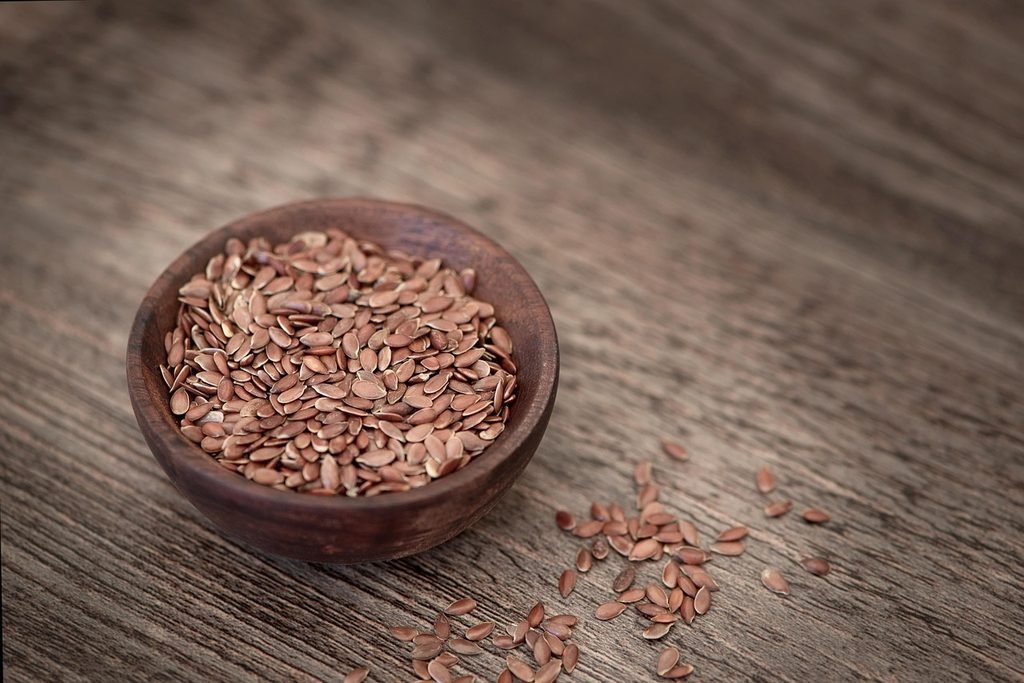
8. Flaxseeds
Flaxseeds can also contribute fiber to your daily diet. Ground flaxseed is especially easy to add to meals.
You can mix it into oatmeal, yogurt, smoothies, or homemade baked foods.
If you are new to flaxseeds, begin with a small amount and gradually increase your intake. Eating a variety of seeds instead of depending on only one food can help create a more balanced diet.
9. Broccoli
Broccoli is a nutritious vegetable that can contribute fiber along with vitamins and other plant nutrients.
You can steam, roast, or lightly cook broccoli and serve it with lunch or dinner. It can also be added to soups, rice dishes, pasta, or vegetable bowls.
Try to avoid overcooking vegetables because this can affect their texture and may reduce some nutrients.
10. Carrots
Carrots are another convenient vegetable for a high fiber diet. They can be eaten raw, cooked, or added to different recipes.
Raw carrot sticks make a simple snack. You can also add chopped carrots to salads, soups, rice dishes, or homemade vegetable meals.
Carrots are naturally sweet, so they can add flavor to meals without needing much additional seasoning.
11. Sweet Potatoes
Sweet potatoes provide fiber and can be used in many different meals. They can be baked, steamed, boiled, or roasted.
For a simple meal, pair a cooked sweet potato with vegetables and a source of protein. You can also add it to a balanced lunch bowl.
Keeping the skin on when appropriate and properly washed can provide additional fiber.
12. Whole Grain Bread
Whole grain bread can be an easy replacement for refined white bread. Look for bread that lists a whole grain ingredient near the beginning of the ingredient list.
You can use whole grain bread for sandwiches, toast, or breakfast.
The important point is to choose genuinely whole grain products rather than assuming that darker colored bread is always higher in fiber.
13. Brown Rice
Brown rice contains more of the natural grain structure than white rice and can contribute more fiber to a meal.
You do not need to completely remove white rice from your diet. Instead, you can sometimes replace part or all of your usual rice with brown rice.
Brown rice works well with beans, lentils, vegetables, chicken, fish, or other protein sources.
14. Popcorn
Plain popcorn can be a surprisingly useful source of fiber. Since popcorn is a whole grain, it can fit into a healthy eating pattern when prepared simply.
Try homemade popcorn with a moderate amount of oil and seasoning. Avoid turning it into a heavily buttered or sugar coated snack if your goal is to keep it simple and nutritious.
15. Raspberries and Other Berries
Berries can provide fiber along with naturally occurring plant compounds. Raspberries, blackberries, and strawberries can be added to breakfast or eaten as a snack.
Add berries to oatmeal, plain yogurt, or a homemade smoothie.
Fresh berries are useful when available, while frozen berries can also be convenient for smoothies and other meals.
How Much Fiber Do You Need?
Daily fiber needs can vary depending on age, sex, and overall dietary requirements. Rather than focusing only on one exact number, it is useful to make high fiber foods a regular part of your meals.
A simple approach is to include fruits or vegetables at most meals, choose whole grains more often, and regularly eat beans, lentils, nuts, or seeds.
If your current diet is low in fiber, increase it gradually. Suddenly eating very large amounts of fiber can cause gas, bloating, or abdominal discomfort in some people.
Simple Ways to Eat More Fiber Every Day
Increasing fiber does not require a complicated meal plan. Small changes can make a meaningful difference over time.
Start breakfast with oatmeal and fruit instead of a highly processed breakfast.
Choose a whole piece of fruit instead of fruit juice.
Add beans or lentils to lunch or dinner.
Include vegetables with your main meals.
Use whole grain bread more often.
Add chia or ground flaxseed to yogurt or oatmeal.
Choose nuts or seeds as a simple snack.
Try brown rice or other whole grains when preparing meals.
Drink enough fluids throughout the day, especially when increasing your fiber intake.
A Simple High Fiber Day
A high fiber day can be simple and affordable.
For breakfast, you could have oatmeal with an apple and a small serving of chia seeds.
For lunch, you could have lentils with brown rice and vegetables.
For an afternoon snack, choose a pear or a handful of nuts.
For dinner, you could have beans with vegetables and whole grain bread.
This is only an example. Your meals can be changed according to your preferences, culture, budget, and nutritional needs.
Final Thoughts
Adding more fiber to your daily diet does not require expensive foods or complicated recipes. Simple choices such as oatmeal, apples, pears, beans, lentils, chickpeas, vegetables, whole grains, nuts, and seeds can help increase your fiber intake naturally.
The key is consistency. Instead of trying to change your entire diet overnight, make a few small changes and build from there.
Remember that a healthy diet is about variety and balance. High fiber foods should be part of an overall eating pattern that includes a range of fruits, vegetables, whole grains, protein sources, and healthy fats.
If you currently eat very little fiber, increase your intake gradually and drink enough fluids. If you have a digestive condition or have been advised to follow a specific diet, speak with a qualified healthcare professional before making major dietary changes.
With simple daily choices, adding more fiber to your meals can become an easy and natural part of your healthy lifestyle.