 healthierlifehere
Related Articles



Vegetables are one of the most important parts of a healthy diet. They provide vitamins, minerals, fiber, antioxidants, and many other nutrients that help the body work properly. Even though most people know that vegetables are good for them, eating enough vegetables every day can sometimes be difficult. Busy schedules, limited cooking time, and personal food preferences can all make it harder to include vegetables in regular meals.
The good news is that eating more vegetables does not have to mean changing your entire diet. Small and simple changes can make a big difference. You can add vegetables to foods you already enjoy, keep convenient options available, and try different cooking methods to make vegetables more enjoyable.
This guide explains several easy ways to add more vegetables to your meals without making your daily routine complicated.
Why Eating More Vegetables Matters
Vegetables provide nutrients that support many areas of health. Different vegetables contain different combinations of vitamins, minerals, fiber, and plant compounds, so eating a variety of vegetables can help provide a broader range of nutrients.
Fiber found in vegetables can support healthy digestion and help you feel satisfied after meals. Many vegetables are also naturally low in calories while providing plenty of nutrients and water.
Vegetables such as carrots, spinach, tomatoes, bell peppers, broccoli, cabbage, peas, and cucumbers can all contribute to a balanced diet. You do not need to eat one particular vegetable every day. Instead, try to include different colors and types throughout the week.
Start With Your Breakfast
Breakfast is an easy place to begin adding more vegetables to your diet. Many people think of breakfast as a meal that only includes bread, eggs, cereal, or fruit, but vegetables can fit naturally into a morning meal.
You can add chopped tomatoes, onions, spinach, mushrooms, or bell peppers to scrambled eggs or an omelet. If you enjoy sandwiches in the morning, add sliced tomatoes, cucumber, or lettuce.
Another simple idea is to add spinach to a smoothie. Fresh spinach has a mild flavor that can work well with fruits such as bananas, mangoes, or berries. You can also add cucumber to a smoothie for extra freshness.
These small additions can increase your vegetable intake without making breakfast feel completely different.
Add Vegetables to Your Lunch
Lunch is another good opportunity to include more vegetables. If you usually eat rice, pasta, sandwiches, or wraps, adding vegetables can make the meal more filling and nutritious.
For example, you can add lettuce, tomato, cucumber, carrots, or cabbage to a sandwich. If you prepare a wrap, fill it with grilled vegetables along with your usual protein.
Rice dishes can also be improved with vegetables. Try adding peas, carrots, bell peppers, spinach, or green beans. You can use fresh or frozen vegetables depending on what is available.
If you prefer pasta, mix vegetables such as tomatoes, mushrooms, spinach, zucchini, or broccoli into the dish. A simple vegetable addition can make an ordinary lunch more interesting.
Add Vegetables to Dinner
Dinner often provides the biggest opportunity to increase vegetable intake. You can add vegetables to almost any main meal.
If you are preparing chicken, fish, beans, or another protein source, serve it with cooked vegetables or a fresh salad. Roasted vegetables can be especially convenient because you can prepare several portions at once.
Vegetables such as carrots, cauliflower, potatoes, bell peppers, zucchini, onions, and broccoli can be roasted with a small amount of cooking oil and simple seasonings.
You can also add vegetables to soups, curries, stews, and rice dishes. This is one of the easiest ways to eat more vegetables because they become part of the main meal rather than feeling like a separate side dish.
Keep Cut Vegetables Ready
One reason people avoid vegetables is convenience. When you are hungry, it is often easier to grab a packaged snack than to wash and cut vegetables.
Preparing vegetables in advance can solve this problem.
Wash and cut vegetables such as carrots, cucumbers, bell peppers, and cabbage. Store them in clean containers in the refrigerator. When you need a quick snack or want something extra with your meal, the vegetables will already be ready.
You can also prepare salad ingredients ahead of time. Keeping vegetables visible in the refrigerator can remind you to use them before choosing less nutritious options.
Use Frozen Vegetables
Fresh vegetables are excellent, but they are not the only option. Frozen vegetables can be very useful when you have limited time.
Frozen peas, carrots, corn, spinach, broccoli, and mixed vegetables can usually be cooked quickly. They are especially useful for rice dishes, soups, pasta, and stir cooked meals.
Keeping a few frozen vegetables at home means you always have an easy option available. This can make healthy meal preparation much simpler on busy days.
Add Vegetables to Soups
Soup is a simple way to include several vegetables in one meal. You can use vegetables such as carrots, tomatoes, onions, cabbage, spinach, peas, beans, and zucchini.
A homemade vegetable soup can be made with ingredients that you already have at home. You can also add chicken, beans, lentils, or another protein source to make the meal more satisfying.
Blended vegetable soups are another option. Vegetables such as pumpkin, carrots, tomatoes, and cauliflower can be cooked and blended into a smooth soup.
Soup also makes it easy to prepare several servings at once, which can save time during the week.
Make Vegetables Part of Your Snacks
Vegetables do not have to appear only during main meals. They can also be included in snacks.
Cucumber slices, carrot sticks, bell peppers, and cherry tomatoes can make simple snacks. You can eat them with yogurt based dips, hummus, or another dip you enjoy.
If raw vegetables are not appealing to you, try lightly cooking them. Roasted carrots, baked sweet potatoes, or cooked corn can make satisfying snack choices.
The important idea is to keep vegetables available when hunger appears between meals.
Try Different Cooking Methods
The way vegetables are prepared can change their taste and texture. If you do not enjoy boiled vegetables, try another cooking method.
Roasting can bring out a deeper flavor in vegetables. Steaming can keep vegetables light and tender. Stir cooking can combine vegetables with spices and other ingredients.
You can also add herbs, garlic, ginger, lemon juice, or mild spices to improve flavor.
Experimenting with different cooking methods can help you discover vegetables that you previously did not enjoy.
Add Vegetables to Your Favorite Foods
You do not have to give up your favorite meals to eat more vegetables. Instead, look for ways to add vegetables to them.
If you enjoy pizza, add mushrooms, bell peppers, onions, spinach, or tomatoes. If you like sandwiches, increase the amount of lettuce, cucumber, tomato, or cabbage.
For homemade burgers, add lettuce, tomato, onions, or grated carrots. If you enjoy noodles, mix in cabbage, carrots, bell peppers, mushrooms, or spinach.
This approach works because you are not creating an entirely new meal. You are simply improving a meal you already like.
Make Half of Your Plate Vegetables
A simple way to think about balanced meals is to give vegetables plenty of space on your plate.
Instead of making rice, pasta, bread, or meat the largest part of every meal, add a generous serving of vegetables alongside them.
You can use cooked vegetables, a fresh salad, or a combination of both. This does not mean every meal must look exactly the same. The goal is simply to make vegetables a regular and important part of your plate.
Eat a Variety of Colors
Different vegetables have different nutritional profiles. Eating vegetables of various colors is an easy way to add variety to your diet.
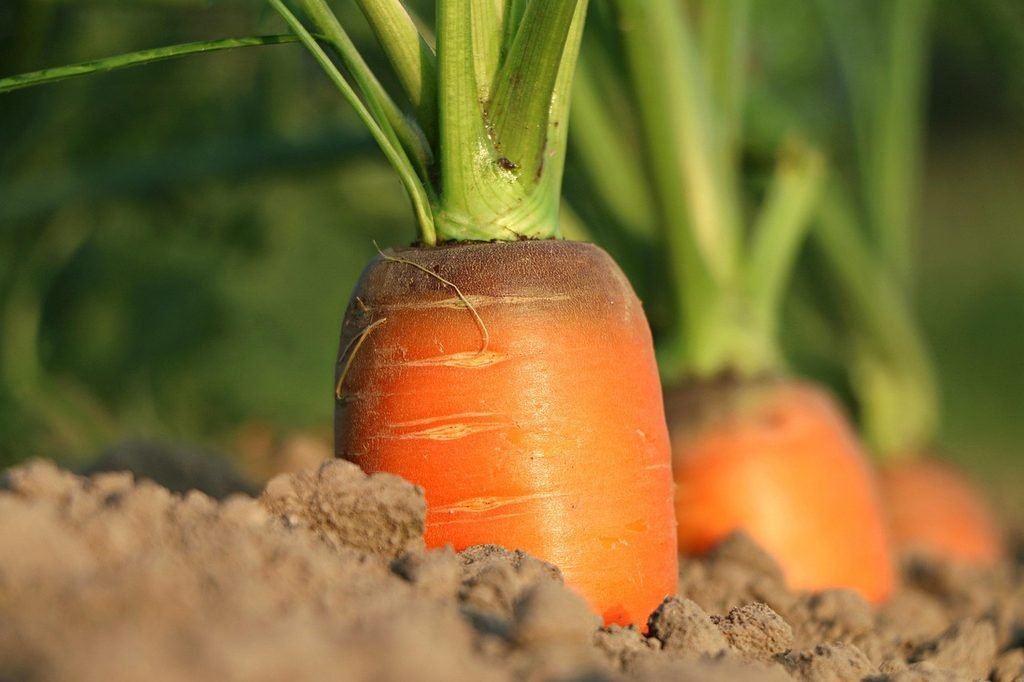
Green vegetables include spinach, broccoli, peas, and green beans. Red vegetables include tomatoes and red peppers. Orange vegetables include carrots and pumpkin. Purple vegetables include eggplant and purple cabbage.
You do not need to count colors every day. Simply choosing different vegetables throughout the week can help keep your meals varied.
Add Leafy Greens to Everyday Meals
Leafy greens such as spinach, lettuce, kale, and other local greens can be easy to include in meals.
Spinach can be added to eggs, soups, curries, rice, pasta, and smoothies. Lettuce can be added to sandwiches and wraps.
You can also add chopped greens to cooked dishes near the end of preparation. They often cook quickly and can blend naturally with other ingredients.
Make Simple Vegetable Salads
A salad does not have to be complicated. A basic salad can contain cucumber, tomato, onion, carrot, cabbage, and lettuce.
You can add beans, boiled eggs, chicken, or another protein source if you want a more complete meal.
For dressing, simple ingredients such as lemon juice, yogurt, or a small amount of olive oil can work well.
Making salads at home also gives you control over the ingredients and portion sizes.
Use Vegetables in Sauces
Vegetables can also be hidden naturally in sauces and cooked dishes. Tomatoes, onions, carrots, spinach, and peppers can be blended into sauces.
This can be particularly useful if some family members do not enjoy eating vegetables in their whole form.
For example, cooked carrots and tomatoes can be blended into a pasta sauce. Spinach can be blended into a soup or sauce. This allows vegetables to become part of the meal without changing its basic character.
Plan Your Vegetables Before Shopping
A little planning can make healthy eating easier. Before going grocery shopping, think about the meals you expect to prepare during the week.
Choose several vegetables that can be used in different dishes. For example, carrots can be used in salads, soups, rice dishes, and snacks. Tomatoes can be used in salads, sandwiches, sauces, and cooked meals.
Planning in this way can reduce food waste and make it easier to use vegetables regularly.
Do Not Try to Change Everything at Once
One of the biggest mistakes people make when improving their diet is trying to make too many changes at the same time.
You do not need to completely change your meals overnight. Start with one simple habit.
You might add one vegetable to lunch every day. After that becomes normal, you can add vegetables to breakfast or dinner as well.
Small changes are easier to maintain because they become part of your normal routine.
Final Thoughts
Adding more vegetables to your meals does not need to be expensive, complicated, or time consuming. Simple changes such as adding spinach to eggs, putting vegetables in sandwiches, mixing them into rice, preparing vegetable snacks, and keeping frozen vegetables available can make a noticeable difference.
The most important thing is consistency. You do not have to eat a perfect diet every day. Instead, focus on making vegetables a regular part of your meals.
Try different vegetables, cooking methods, flavors, and recipes until you find combinations that you genuinely enjoy. When vegetables become a normal part of your everyday meals, eating more of them becomes much easier.
A healthy diet is built from everyday choices. Adding a little more variety and a little more vegetables to those choices can be a simple step toward better overall nutrition.