 healthierlifehere
Related Articles

Feeling hungry between meals is common, especially when your meals are small, your daily routine is busy, or you choose foods that do not keep you satisfied for very long. Reaching for sugary snacks or highly processed foods may give you quick energy, but the feeling of fullness often does not last. Choosing nutritious foods that contain protein, fiber, healthy fats, or a combination of these nutrients can help you stay full between meals.
Foods that help control hunger can also make it easier to maintain a balanced eating routine. The goal is not to avoid snacks completely. Instead, it is better to choose snacks that provide useful nutrients and help you feel satisfied.
In this article, we will look at some of the best foods for staying full between meals and explain simple ways to include them in your daily diet.
Why Some Foods Keep You Full Longer
Not all foods affect hunger in the same way. Foods that are rich in protein and fiber generally take longer to digest and can help you feel satisfied for longer. Healthy fats can also add staying power to a meal or snack.
Protein is especially useful because it is an important nutrient for maintaining muscles and supporting many functions in the body. Fiber adds bulk to food and can support healthy digestion. Foods that contain plenty of water can also contribute to a feeling of fullness.
A snack that combines several of these qualities may be more satisfying than a snack that is mostly refined carbohydrates or added sugar.
1. Greek Yogurt
Greek yogurt is a convenient food that can make a satisfying snack between meals. It is naturally rich in protein, which can help you feel full.
Choose plain Greek yogurt when possible and add fresh fruit for natural sweetness. You can also add a small amount of nuts or seeds for extra texture and healthy fats.
If you prefer flavored yogurt, check the nutrition label for added sugar. A simple combination of plain Greek yogurt, berries, and a few chopped almonds can be both nutritious and filling.
2. Eggs
Eggs are another practical option when you need something filling. They provide protein and several important nutrients.
A boiled egg can be prepared ahead of time and kept ready for a quick snack. You can enjoy it on its own or combine it with vegetables such as cucumber, tomatoes, or carrots.
Eggs can also work well as part of breakfast. A breakfast containing eggs, vegetables, and whole grain bread may help you stay satisfied until your next meal.
3. Oatmeal
Oatmeal is often associated with breakfast, but it can also be useful when hunger appears between meals. Oats contain soluble fiber, which can contribute to a longer lasting feeling of fullness.
For a balanced bowl, prepare oats with milk or unsweetened plant based milk and add fruit, nuts, or seeds. Avoid adding large amounts of sugar.
Oatmeal is especially useful when you want a warm snack that feels more substantial than a typical packaged snack.
4. Apples With Nut Butter
An apple combined with a small amount of peanut butter or another nut butter can be a satisfying snack. Apples provide fiber and water, while nut butter provides protein and healthy fats.
The combination can be more filling than eating fruit alone. However, nut butter is relatively high in calories, so a moderate portion is usually enough.
Choose natural nut butter when possible and check the ingredient list for unnecessary added sugars or excessive salt.
5. Nuts and Seeds
Almonds, walnuts, pistachios, pumpkin seeds, and sunflower seeds are nutrient dense foods that can help you manage hunger between meals.
They contain healthy fats, protein, and some fiber. Because they are concentrated sources of energy, you do not need a large amount to make a satisfying snack.
A small handful can be enough. You can also combine nuts with fruit for a more balanced snack.
6. Fresh Fruit
Fruit is one of the easiest snacks to keep available at home or work. Fruits such as apples, oranges, pears, berries, and bananas provide fiber, water, vitamins, and minerals.
Whole fruit is generally more filling than fruit juice because the whole fruit contains fiber. Eating an orange, apple, or pear can therefore be a simple way to deal with mild hunger.
If fruit alone does not keep you satisfied, combine it with Greek yogurt, nuts, seeds, or a boiled egg.
7. Vegetables With Hummus
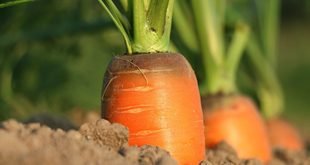
Vegetables are naturally low in calories and can provide fiber and water. Carrots, cucumbers, bell peppers, tomatoes, and celery can make refreshing snacks.
Pairing vegetables with hummus adds protein, fiber, and healthy fats from chickpeas and other ingredients.
This combination can be particularly useful when you want something crunchy and savory instead of a sweet snack.
8. Beans and Chickpeas
Beans and chickpeas are excellent sources of plant based protein and fiber. They can be used in many different ways and can help make snacks more satisfying.
Roasted chickpeas can provide a crunchy alternative to chips. You can also make a simple chickpea salad with tomatoes, cucumber, lemon juice, and herbs.
Hummus is another convenient way to include chickpeas in your diet. Pair it with vegetables or whole grain bread for a filling snack.
9. Cottage Cheese
Cottage cheese is a protein rich food that can work well as a snack. It can be eaten on its own or combined with fruit and seeds.
For a sweet option, try cottage cheese with berries or sliced peaches. For a savory option, add cucumber, tomatoes, black pepper, and herbs.
If you are watching your sodium intake, check the nutrition label because some cottage cheese products contain significant amounts of sodium.
10. Avocado
Avocado provides healthy unsaturated fats and fiber. These nutrients can make it a satisfying addition to meals and snacks.
You can spread avocado on whole grain toast or add it to a small salad. Another simple option is to eat avocado with tomato and cucumber.
Because avocado is energy dense, a moderate serving can provide plenty of flavor and satisfaction without needing a large portion.
11. Popcorn
Plain popcorn can be a useful snack when you want something crunchy. Air popped popcorn provides whole grains and fiber.
The way popcorn is prepared makes a difference. Large amounts of butter, sugar, or salt can turn a simple snack into a much less balanced choice.
Try seasoning popcorn with herbs, spices, or a small amount of salt for flavor.
12. Whole Grain Toast
Whole grain toast can be more satisfying than refined white bread because whole grains generally provide more fiber.
You can make whole grain toast more filling by adding peanut butter, avocado, cottage cheese, or an egg.
This is a good example of how combining foods can improve a snack. Instead of eating plain toast, adding a protein or healthy fat source may help you stay satisfied longer.
13. Chia Seeds
Chia seeds are small but contain fiber, healthy fats, and some protein. When mixed with liquid, they absorb water and form a gel like texture.
Chia pudding can be prepared with milk or unsweetened plant based milk and left in the refrigerator until it thickens. You can add berries or a small amount of fruit for flavor.
A moderate serving can make a convenient snack that is easy to prepare ahead of time.
14. Edamame
Edamame, or young soybeans, provides plant based protein and fiber. It can be eaten warm or cold and makes a simple savory snack.
You can season cooked edamame with a small amount of salt, lemon juice, or herbs. It can also be added to salads or grain bowls.
Its combination of protein and fiber makes it a useful option when you want something more substantial between meals.
15. Tuna With Whole Grain Crackers
Tuna can provide a convenient source of protein. Pairing it with whole grain crackers can create a more balanced snack.
Choose tuna products according to your dietary needs and check the label for sodium. You can mix tuna with plain yogurt, lemon juice, herbs, and vegetables instead of using large amounts of mayonnaise.
This type of snack may be especially useful when you need something savory and filling.
How to Build a Filling Snack
You do not have to follow a complicated meal plan to choose filling snacks. A simple approach is to combine at least two useful food groups.
For example, pair fruit with nuts, vegetables with hummus, yogurt with berries, or whole grain toast with an egg.
A snack containing protein and fiber can often be more satisfying than one that mainly contains refined carbohydrates. Adding a source of healthy fat can also help make the snack more substantial.
Portion size still matters. Even nutritious foods can provide more energy than you need when eaten in very large amounts.
Foods That May Leave You Hungry Again Quickly
Some foods can provide quick energy but may not keep you satisfied for very long. Examples include sugary drinks, candy, sweet pastries, and many highly processed snack foods.
This does not mean these foods must never be eaten. The important point is that they may not be the best choice when your main goal is to stay full between meals.
For everyday snacking, foods containing protein, fiber, and nutrient rich ingredients can be more useful.
Do Not Forget About Water
Sometimes people mistake thirst for hunger. Drinking enough water throughout the day is important for normal body functions and can also help you recognize whether you are actually hungry.
If you feel hungry soon after eating, consider whether you have had enough fluids. Water should remain the main beverage for most people, while unsweetened tea can also be a simple option.
Of course, genuine hunger should not be ignored. Your body needs regular nourishment, and drinking water is not a replacement for food.
Plan Snacks Before Hunger Becomes Strong
Planning can make healthy eating easier. If you wait until you are extremely hungry, it can become harder to make thoughtful food choices.
Keep simple foods available at home, work, or school. Fresh fruit, nuts, boiled eggs, yogurt, whole grain crackers, and vegetables can be prepared or stored for convenient use.
Preparing a few snacks in advance can also save time during busy days. This does not require complicated meal preparation. Even washing fruit or cutting vegetables ahead of time can make healthy choices easier.
Final Thoughts
Choosing foods that help you stay full between meals does not have to be difficult. Protein rich foods, fiber rich foods, healthy fats, fruits, vegetables, whole grains, nuts, seeds, beans, and dairy products can all have a place in a balanced eating routine.
The best snack will depend on your hunger level, daily activity, food preferences, and overall diet. Instead of looking for one perfect food, focus on combinations that provide useful nutrients and satisfying flavors.
Simple choices such as Greek yogurt with berries, an apple with nut butter, vegetables with hummus, eggs with whole grain toast, or a small handful of nuts with fruit can help make everyday eating more satisfying.
A balanced approach is usually more practical than trying to avoid hunger completely. Listen to your body, choose nourishing foods, pay attention to portions, and build eating habits that you can maintain over time.