 healthierlifehere
Related Articles
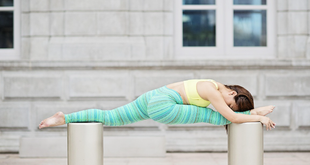


Staying active is an important part of a healthy lifestyle, but you do not need a gym membership to become more physically active. Many people think that exercise requires expensive equipment, a fitness center, or a strict workout schedule. In reality, everyday activities such as walking, climbing stairs, cleaning the house, gardening, stretching, and playing with children can all help you move more throughout the day.
The most important thing is to find activities that fit naturally into your daily routine. When physical activity becomes a normal part of life, it can be easier to stay consistent without feeling that exercise is another difficult task on your schedule.
Whether you work from home, spend most of your day at a desk, or simply do not enjoy traditional gym workouts, there are many simple ways to stay active at home and outdoors.
Why Staying Active Matters
Regular physical activity supports many areas of everyday health. Moving your body regularly can help support heart health, muscle strength, flexibility, balance, and overall physical fitness. It can also make daily activities feel easier.
Being active does not always mean doing intense exercise. Even moderate movement throughout the day can contribute to a healthier lifestyle. The goal is to avoid spending most of the day sitting and to create more opportunities to move.
Physical activity can also support mental wellbeing. A walk outside, a few minutes of stretching, or some light household work can provide a useful break from sitting and screen time.
The key is consistency. A simple activity that you enjoy and repeat regularly can be more practical than an intense workout routine that you cannot maintain.
Start With More Walking
Walking is one of the easiest ways to stay active without going to a gym. It requires no special equipment and can fit into almost any schedule.
You can start by taking a short walk in the morning or evening. If you have a busy day, divide your walking into smaller periods. For example, you might take a ten minute walk in the morning, another short walk after lunch, and another in the evening.
You can also increase your daily walking by making small changes. Park a little farther away from your destination when appropriate. Walk while talking on the phone. Take a short walk after meals. Use stairs when practical instead of an elevator.
These small changes can gradually increase your daily movement without requiring a formal workout.
Use the Stairs More Often
Stairs can provide a simple way to make everyday movement more challenging. Walking upstairs requires your legs to work against gravity, which makes the activity more demanding than walking on a flat surface.
If you normally use an elevator for a few floors, consider taking the stairs when it is safe and practical. You do not have to make every trip difficult. Start with a manageable number of stairs and gradually increase your activity as you become more comfortable.
If you have joint problems, balance concerns, or another health condition that makes stairs difficult, choose a safer form of movement instead.
Create a Simple Home Workout
You can exercise at home without buying expensive equipment. Bodyweight exercises can work many major muscle groups and can be adjusted for different fitness levels.
A simple home workout might include:
- Bodyweight squats
- Wall push ups
- Glute bridges
- Standing leg raises
- Step ups on a stable platform
- Gentle lunges
- Planks
- Marching in place
You do not need to perform all of these exercises at once. Start with a few movements that feel comfortable.
For example, you could perform squats, wall push ups, glute bridges, and marching in place for a short session. As your fitness improves, you can gradually increase the number of repetitions or the amount of time you spend exercising.
Good technique is more important than trying to complete a large number of repetitions.
Make Household Chores More Active
Household chores are often overlooked as a source of physical activity. Cleaning, washing, organizing, carrying groceries, and doing yard work all require movement.
Instead of viewing these tasks only as responsibilities, you can also recognize them as opportunities to avoid sitting for long periods.
Vacuuming, sweeping, mopping, cleaning windows, washing a car, and organizing rooms can keep you moving. Gardening can also involve bending, lifting, walking, digging, and reaching.
This does not mean household chores should replace all structured exercise. Instead, they can add more movement to your normal day.
Try Gardening
Gardening is another enjoyable way to stay active without a gym. Depending on the type of gardening you do, it can involve walking, digging, planting, watering, carrying soil, removing weeds, and maintaining plants.
Gardening also gives you a reason to spend time outdoors. You can start with a few pots on a balcony or create a small garden in your yard.
The important thing is to work at a comfortable pace and use safe techniques when lifting or bending.
Take Active Breaks From Sitting
Long periods of sitting can make your day feel less active, especially if you work on a computer. One simple solution is to take short movement breaks throughout the day.
You might stand up every thirty to sixty minutes and walk around for a few minutes. You can stretch your legs, refill your water bottle, walk around your home, or perform a few gentle movements.
These breaks do not need to be long. Their purpose is simply to interrupt long periods of sitting.
If you work at a desk, consider setting a reminder on your phone or computer to remind you to move.
Dance at Home
Dancing can be a fun way to increase physical activity without feeling like a traditional workout.
Put on music that you enjoy and move around your room for several minutes. You do not need to follow a complicated routine or worry about how you look.
The goal is simply to keep your body moving.
You can dance in the morning, during a break, or in the evening. If you enjoy it, dancing can become a regular part of your weekly activity.
Play With Children
If you have children in your family, playing with them can create natural opportunities for movement.
Outdoor games, walking, cycling, playing with a ball, or simply running around together can help you stay active while spending quality time with your family.
Children often enjoy activities that involve movement, so you can turn physical activity into shared family time instead of treating it as a separate task.
Go for Outdoor Walks
Outdoor walking can make physical activity more enjoyable because it provides a change of environment.
You can walk through a neighborhood, local park, or another safe area. Some people enjoy walking early in the morning, while others prefer an evening walk.
If you get bored easily, change your route from time to time. You can also listen to music, an audiobook, or a podcast while walking if it is safe to do so.
Walking with a friend or family member can also make the activity more social.
Use Your Bodyweight for Strength
Strength training does not require a gym. Your own bodyweight can provide resistance for many exercises.
Squats can work the lower body. Push ups can work the chest, shoulders, and arms. Glute bridges can strengthen the muscles around the hips. Planks can challenge the core.
Beginners can use easier variations. For example, a wall push up is generally easier than a floor push up.
Start slowly and focus on proper movement. You do not need to exercise until you are completely exhausted.

Try Cycling
Cycling can be both a form of exercise and a practical way to travel. If you have access to a bicycle and a safe route, cycling can help increase your daily physical activity.
You can start with short rides and gradually increase the distance as you become more comfortable.
Always consider traffic conditions, weather, road quality, and appropriate safety equipment before cycling outdoors.
Make Your Week More Active
Creating a simple weekly activity plan can help you stay consistent.
You do not need to plan every minute. Instead, decide when you are most likely to have time for movement.
For example, your week might include:
Monday: 30 minute walk
Tuesday: Short home strength session
Wednesday: Evening walk
Thursday: Household activity and stretching
Friday: Bodyweight workout
Saturday: Longer outdoor walk or cycling
Sunday: Gentle movement and recovery
Your own schedule can look completely different. The purpose is to create a realistic pattern that you can maintain.
Find Ways to Move During Work
People who work at a desk can spend many hours sitting without realizing it. Finding small opportunities for movement can make the workday more active.
Stand while taking some phone calls if practical. Walk during short breaks. Stretch your shoulders and legs. Walk to speak with someone instead of sending a message when appropriate.
You can also consider using a standing desk for part of the day if it is comfortable and suitable for your work environment.
The goal is not to stand all day. It is simply to avoid remaining in one position for too long.
Make Exercise More Enjoyable
One reason people stop exercising is that they choose activities they do not enjoy.
You do not have to follow the same workout that someone else enjoys. If you dislike running, try walking. If you dislike traditional exercises, try dancing. If you prefer being outdoors, try hiking, cycling, or gardening.
Finding enjoyable activities can make consistency much easier.
Think about what you naturally enjoy doing. Your answer may help you discover a form of physical activity that feels less like exercise.
Use Short Activity Sessions
You do not need one long workout to become more active.
Several short periods of movement can fit into a busy day. You could walk for ten minutes in the morning, perform a few exercises during lunch, and take another walk in the evening.
Short sessions can be especially useful for people who have demanding schedules.
Instead of thinking, “I do not have one hour for exercise,” ask yourself whether you have five, ten, or fifteen minutes.
Small amounts of movement can add up over the course of a day.
Avoid an All or Nothing Approach
A common mistake is believing that exercise only counts if you complete a difficult workout.
This way of thinking can make it easier to give up when your schedule becomes busy.
If you planned a thirty minute workout but only have ten minutes, do ten minutes. If you cannot take a long walk, take a short one. If you are tired, choose gentle movement instead of doing nothing.
Consistency does not mean every day will look the same. A flexible approach can help you continue being active during busy periods.
Listen to Your Body
Staying active is important, but it is also important to pay attention to how your body feels.
Normal physical effort can cause tiredness and temporary muscle soreness, especially when you are starting a new activity. However, sharp pain, severe discomfort, dizziness, unusual shortness of breath, or other concerning symptoms should not be ignored.
If you have a medical condition, an injury, or concerns about starting exercise, speak with an appropriate healthcare professional for personalized guidance.
Exercise should support your health rather than make you feel unsafe.
Build Activity Into Your Lifestyle
The easiest way to stay active without a gym is to make movement part of your normal lifestyle.
Walk when practical. Take the stairs when appropriate. Clean your home. Work in the garden. Play with your children. Stretch during breaks. Dance to your favorite music. Take an evening walk.
None of these activities needs to be perfect.
When movement becomes a normal part of your day, you do not have to depend entirely on motivation.
Track Your Progress
Tracking your activity can help you understand your habits.
You can record the number of walks you take, the amount of time you spend exercising, or simply the days when you were physically active.
Some people like using a fitness tracker or smartphone to monitor steps. Others prefer writing their activities in a notebook.
Do not become overly focused on numbers. The purpose of tracking is to notice patterns and encourage consistency.
For example, you might discover that you are much more active on days when you take an evening walk. That information can help you build a routine around the activity you already enjoy.
Make Your Goals Realistic
Setting realistic goals can make staying active easier.
Instead of deciding that you will exercise intensely every day, start with a goal that fits your current lifestyle.
You might begin with a daily walk, a few home workouts each week, or regular movement breaks during work.
Once the habit becomes easier, you can gradually increase your activity.
A realistic goal is one that you can continue even when life becomes busy.
Stay Active Throughout the Year
Your activities may change with the seasons.
During pleasant weather, you may enjoy walking, cycling, gardening, or outdoor games. During very hot, cold, or rainy weather, you may prefer indoor walking, stretching, dancing, or home exercises.
Having several options prevents your routine from depending on one activity.
The important thing is to keep finding safe and practical ways to move.
Final Thoughts
You do not need a gym to stay active. Physical activity can happen almost anywhere, including your home, workplace, neighborhood, garden, or local park.
Walking, household chores, bodyweight exercises, cycling, dancing, gardening, stretching, and active breaks can all help you create a more active lifestyle.
The best approach is usually one that fits your daily routine and feels realistic. You do not have to make major changes overnight. Start with one or two simple habits and build from there.
Staying active is not about completing the hardest workout or spending hours exercising. It is about giving your body regular opportunities to move.
When you choose activities you enjoy and make them part of your everyday life, staying active without going to a gym can become simple, practical, and sustainable.

