 healthierlifehere
Related Articles
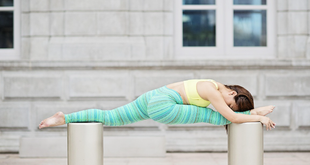


Staying active is an important part of a healthy lifestyle, but finding time for exercise can be difficult when the day is full of work, household responsibilities, study, family commitments, and other tasks. Many people think they need a full hour at the gym to stay active. In reality, small amounts of movement throughout the day can also make a meaningful difference.
A busy schedule does not have to mean sitting for most of the day. Simple changes such as walking while talking on the phone, taking the stairs, stretching between tasks, or doing a few household chores can help you move more. These activities may seem small, but when they are repeated regularly, they can become an important part of your daily routine.
The goal is not to make your day more complicated. The goal is to find easy ways to add movement to activities you already do.
Why Staying Active During a Busy Day Matters
Regular physical activity supports overall health and can help you feel more energetic during the day. Movement also gives you an opportunity to take a break from long periods of sitting.
When people spend many hours sitting at a desk, watching television, studying, or using a computer, their daily movement can become very limited. Even if they exercise occasionally, spending most of the remaining day sitting can make it difficult to maintain an active lifestyle.
Staying active does not always mean doing intense exercise. Walking, stretching, cleaning, gardening, climbing stairs, and moving around at regular intervals are all simple ways to reduce sedentary time.
Another benefit is that regular movement can become easier when it is connected with normal daily activities. Instead of waiting for the perfect time to exercise, you can look for small opportunities to move throughout the day.
Start Your Morning With Movement
The morning can be a good time to introduce some activity before your schedule becomes busy. You do not need a complicated workout.
After getting out of bed, spend a few minutes walking around your home and doing gentle stretches. You can stretch your arms, shoulders, legs, and back. If you have enough space, walk around while preparing for the day.
Another simple option is to take a short morning walk. Even a ten minute walk can help you start the day with movement.
If your morning is extremely busy, focus on consistency rather than duration. A few minutes of movement every morning can become a habit over time.
Walk Whenever You Have the Opportunity
Walking is one of the easiest ways to stay active during a busy day because it does not require special equipment or a gym membership.
Look for small opportunities to walk. If you need to speak with someone who is nearby, consider walking to their location instead of sending a message. If you are making a phone call that does not require you to sit, walk around while talking.
You can also take a short walk during a break at work. Instead of spending the entire break sitting, walk around the building, office, or nearby area.
The important thing is to avoid thinking that a walk only counts if it lasts for a long time. Several short walks can add movement to your day.
Use the Stairs More Often
Taking the stairs instead of an elevator is another simple way to add physical activity to your routine.
If you work or live in a building with several floors, consider using the stairs when practical. You do not have to rush. Walk at a comfortable pace and pay attention to how your body feels.
For people who are not used to taking stairs, it can be helpful to start with a small amount and gradually increase it. The goal is to make movement a normal part of your routine rather than turning every opportunity into a difficult workout.
Take Short Movement Breaks
Long periods of sitting can happen easily when working, studying, or using a computer. One useful habit is to take short movement breaks throughout the day.
Stand up, walk around the room, stretch your legs, or move your shoulders. You can refill your water bottle, organize something nearby, or simply walk for a few minutes.
If you work at a desk, consider setting a reminder to stand and move regularly. The reminder does not need to signal a long exercise session. It can simply remind you that it is time to change position and move.
These small breaks can make an active lifestyle feel more manageable.
Turn Phone Calls Into Walking Time
Many people spend several minutes each day talking on the phone. If the call does not require you to sit in front of a computer, use that time to walk.
You can walk around your home, office, or another safe location while having a conversation. A few minutes of walking during several phone calls can add up over the course of a week.
This is a useful strategy because it combines movement with something you already need to do. You are not creating an entirely new task for your schedule.
Make Household Chores More Active
Household chores can provide many opportunities for movement.
Cleaning floors, washing dishes, organizing rooms, doing laundry, gardening, and carrying household items all require some physical activity. Instead of thinking of chores only as responsibilities, you can also view them as opportunities to spend less time sitting.
You can make your routine more active by standing while completing tasks, walking between rooms, and doing cleaning activities yourself when possible.
Of course, household chores should not replace all forms of exercise. However, they can contribute to your total daily movement.
Stretch While Watching Television
Television and streaming can take up a significant part of the evening. You can make this time slightly more active by standing or stretching during part of your viewing time.
Try simple movements such as shoulder rolls, gentle leg stretches, or walking around during breaks between programs. You can also stand while watching part of a show.
The purpose is not to make relaxation uncomfortable. It is simply to introduce some movement into a period that might otherwise involve sitting for a long time.
Keep Simple Exercise Equipment at Home
You do not need a large home gym to stay active. A comfortable pair of walking shoes and a small amount of open space may be enough for many people.
If you enjoy home workouts, you can also keep simple equipment such as resistance bands or a yoga mat. These items can make it easier to exercise when you have limited time.
The most important thing is choosing activities that you are comfortable doing consistently. Expensive equipment is not necessary for an active lifestyle.

Try a Short Home Workout
A short workout can be useful when you cannot fit a longer exercise session into your day.
You might spend ten to fifteen minutes doing simple bodyweight movements. Depending on your fitness level, this could include squats, wall pushups, gentle lunges, marching in place, or other comfortable exercises.
The workout should match your current ability. If you are new to exercise, start slowly and focus on proper movement rather than trying to complete a difficult routine.
Even a short session can help you break up a day that has been mostly sedentary.
Move During Work Breaks
Work breaks are an excellent opportunity to add movement. Instead of staying at your desk during every break, stand up and walk for a few minutes.
You can walk to get water, move around the office, stretch, or step outside if the environment allows it.
If you work from home, you have even more flexibility. You can walk around the house, perform a few gentle stretches, or complete a small household task before returning to work.
These short breaks can make it easier to maintain regular movement without affecting your main responsibilities.
Make Your Commute More Active
Your daily commute may offer opportunities for additional movement.
If you use public transportation, you may be able to walk part of the route when practical and safe. If you drive, consider parking slightly farther from your destination when the location and surroundings allow it.
If you live close enough to work or another regular destination, walking or cycling may sometimes be an option.
Safety and convenience should always come first. The goal is to find realistic opportunities that fit your normal routine.
Stand While Completing Simple Tasks
Some daily activities do not require sitting. If you are reading a short message, making a phone call, organizing documents, or waiting for something, consider standing instead.
Standing does not replace exercise, but changing your position and moving around can help reduce the amount of time you spend sitting continuously.
Small changes like this can be particularly helpful for people whose jobs require long hours at a desk.
Make Walking a Social Activity
Spending time with friends and family does not always have to involve sitting at a restaurant or at home.
Consider meeting someone for a walk. You can talk, catch up, and spend time together while moving.
Family walks can also become a regular habit. Parents and children can walk together after dinner or during a free part of the day.
Social activities that include movement can make staying active feel more enjoyable and less like a separate responsibility.
Use Music to Make Movement More Enjoyable
Music can make simple physical activity feel more enjoyable for many people.
You can listen to your favorite songs while walking, cleaning, stretching, or completing a short home workout. Creating a short playlist can also make it easier to start moving when you are not feeling motivated.
The activity itself does not have to be complicated. The purpose is to create an environment that encourages you to move.
Set Small Daily Movement Goals
Large goals can sometimes feel difficult when your schedule is already busy. Smaller goals may be easier to follow.
For example, you could decide to take several short walks during the day, stand during regular breaks, or spend ten minutes doing simple exercises.
Once these habits become comfortable, you can gradually increase your activity if you want to.
A useful goal is one that fits your real life. There is little benefit in creating a demanding routine that you cannot maintain.
Avoid Trying to Change Everything at Once
When people decide to become more active, they sometimes make too many changes at the same time. They may plan long workouts, daily running, strict schedules, and several new habits.
This approach can feel overwhelming.
Instead, start with one or two simple changes. For example, you might begin taking a ten minute walk after lunch or standing up regularly during work.
After the habit becomes comfortable, you can add another activity.
Building an active lifestyle gradually can make the process easier to maintain.
Plan Movement Around Your Schedule
A busy day becomes easier to manage when movement is planned around existing responsibilities.
Look at your normal day and identify periods when you have a few free minutes. You may have time before breakfast, during a lunch break, after work, or before dinner.
Use these periods for short walks or simple exercises.
You can also connect movement with existing habits. For example, walk after lunch, stretch after finishing work, or take a short walk after dinner.
When movement becomes connected to something you already do, it can be easier to remember.
Choose Activities You Actually Enjoy
Staying active becomes easier when you enjoy what you are doing.
Some people enjoy walking, while others prefer cycling, dancing, swimming, gardening, sports, or simple home workouts.
You do not have to follow the same exercise routine as someone else. Explore different activities and find something that fits your interests and lifestyle.
Enjoyment can make physical activity feel like part of your normal life rather than another obligation.
Listen to Your Body
Being active is important, but it is also important to pay attention to how your body feels.
If you are new to exercise, begin gradually. Give yourself time to adjust to increased activity. If you experience significant pain, dizziness, unusual shortness of breath, or another concerning symptom, stop the activity and seek appropriate medical advice.
Rest is also part of a healthy routine. Being active does not mean pushing yourself without breaks.
A balanced approach includes movement, recovery, sleep, nutritious food, and enough time to relax.
Create an Active Environment
Your surroundings can influence your daily habits.
Keep your walking shoes somewhere easy to reach. Avoid keeping everything you need within arm’s reach if it encourages you to sit continuously. Arrange your workspace so that you can comfortably stand and move during breaks.
You can also keep a water bottle nearby and use refilling it as an opportunity to stand and walk.
These small environmental changes can make movement feel more natural.
Track Your Progress
Tracking your activity can help you understand your habits.
You might record the number of walks you take, the amount of time you spend moving, or the number of days you complete a planned activity.
Some people enjoy using a phone or fitness tracker to monitor steps. Others prefer a simple notebook.
Tracking is not about being perfect. It is about becoming more aware of your daily movement and identifying areas where you can improve.
Make Active Living a Daily Habit
The most useful approach is to think beyond individual workouts. An active lifestyle is built from many small choices throughout the day.
Walk when you can. Take the stairs when practical. Stretch during breaks. Move while talking on the phone. Complete household chores. Spend time outdoors. Choose activities that you enjoy.
None of these actions needs to take up your entire day.
Over time, these small habits can become part of your normal routine.
Final Thoughts
A busy schedule does not mean you have to spend the entire day sitting. There are many easy ways to stay active during a busy day without making major changes to your lifestyle.
Short walks, movement breaks, stairs, household chores, stretching, active social time, and brief home workouts can all help you add more movement to your routine.
The key is consistency. You do not need to make every day perfect. Start with simple activities that fit naturally into your schedule and gradually build from there.
Staying active is not only about finding time for exercise. It is also about making movement a normal part of everyday life. When you look for small opportunities to move, even the busiest day can include more physical activity.